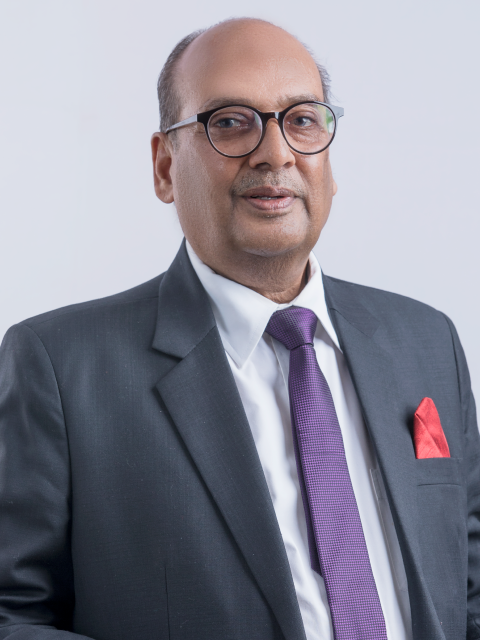
Chairman of Kedia Organisation • 110+ Year Legacy
Tara Chand Kedia is a business leader shaping Nepal's industrial landscape — Chairman of Kedia Organisation, overseeing diversified businesses across cement, steel, insurance, finance, and manufacturing, while preserving a century-old business legacy.
CHAIRMAN • KEDIA ORGANISATION
AT A GLANCE
From leading a century-old conglomerate to driving industrial growth across multiple sectors — business transformation, economic development, and nation-building.
LEADERSHIP
Driving the evolution of a diversified conglomerate focused on sustainable growth and innovation in Nepal.
INDUSTRIALIZATION
Leading major industrial sectors including cement, steel, and manufacturing that form Nepal's infrastructure foundation.
LEGACY
Preserving and modernizing one of Nepal's oldest business houses while adapting to contemporary needs.
KEDIA ORGANISATION
CEMENT. STEEL. FINANCE. GROWTH.
Kedia Organisation spans multiple critical sectors — from cement and steel manufacturing to insurance, finance, real estate, and agro products. A diversified conglomerate building Nepal's future.
"Maintaining the legacy of a century-old business group while modernizing it to meet contemporary needs."
— Leadership PhilosophyWHO IS TARA CHAND KEDIA?
A blend of business heritage, educational excellence, and hands-on experience — from family trading roots to industrial leadership.
Tara Chand Kedia comes from the prominent Kedia family, one of the oldest business families in Nepal. The family's business roots trace back to 1909, when the first generation migrated from India to Nepal and began trading activities. Growing up in a business-oriented environment, Tara Chand was exposed early to entrepreneurship, management values, and the foundation of ethical business practices.
He completed his bachelor's degree with Honors.
After completing his education, Tara Chand Kedia joined the family business and became involved in its trading and industrial operations. His early years in the organization were spent understanding:
Through hands-on experience, he gained deep insights into how diversified industries operate in Nepal's economic environment.
Over the years, Tara Chand Kedia took on larger responsibilities within the organisation. His strong operational knowledge, leadership qualities, and long-term vision enabled him to rise to the position of:
In this role, he oversees a conglomerate with businesses across multiple sectors, including:
His leadership focuses on maintaining the legacy of a century-old business group while modernizing it to meet contemporary needs.
Tara Chand Kedia played a pivotal role in transforming the company into one of Nepal's most trusted cement brands. Under his guidance, Brij Cement embraced modern manufacturing technologies, strengthened its quality standards, and focused on consistent product reliability—factors that helped the brand gain strong market confidence.
His strategic decisions prioritized large-scale production capacity, efficient supply chains, and strong dealer networks across the country. By focusing on both infrastructure-grade cement and consumer-focused products, he positioned Brij Cement as a leading contributor to Nepal's construction and development sector.
Through disciplined leadership, long-term planning, and a commitment to quality, Tara Chand Kedia helped Brij Cement expand its presence nationwide. Today, the brand stands as a symbol of durability and trust—growth made possible by his vision and continuous drive for excellence.
NATIONAL IMPACT
Tara Chand Kedia is regarded as one of the influential business leaders in Nepal because his leadership connects economic development, industrial growth and social upliftment. His significance extends far beyond running a large conglomerate. It reflects larger transformation in Nepal's private-sector evolution.
Nepal's industrial sector is still developing, and only a few business houses have shaped its structure.
Under Tara Chand Kedia's guidance, Kedia Organisation became a major force in key industrial sectors:
These industries form the foundation for infrastructure development, hydropower projects, urbanization, real estate growth, and nationwide employment.
Nepal traditionally imports a large portion of its goods from India and other countries. Tara Chand Kedia's leadership prioritizes:
Large-scale production of cement and steel within Nepal reduces billions of rupees of imports and strengthens Nepal's internal industrial ecosystem.
Kedia Organisation is more than 110 years old — one of the oldest business houses in the country. By maintaining and expanding it, Tara Chand Kedia:
In a country where many businesses struggle to sustain even 20–30 years, leading a century-old enterprise is significant.
Through factories, trading units, insurance companies, manufacturing plants, and distribution networks, the group generates thousands of direct and indirect jobs. His leadership contributes to:
This helps reduce out-migration of workers and supports Nepal's internal economy.
As head or former chairman of insurance and financial companies, such as:
He has contributed to financial inclusion, confidence in the insurance sector, development of investment culture, and growth of corporate governance practices.
The insurance industry in Nepal is still growing, and such leadership helps build trust and professionalism.
LEGACY & ACHIEVEMENTS
From a humble cloth trading business in 1909 to a diversified industrial powerhouse — four generations of vision, innovation, and commitment to Nepal's development.
With the blessing and inspiration of Late Ram Kumar Kedia, his two sons Late Mahabir Prasad Kedia and Late Brij Lal Kedia ventured into business as cloth merchants. They established fabric stores in Birgunj and Kathmandu, selling imports from India. Starting from a small cloth business named after their fathers Late Sundarmal Kedia and Late Ram Kumar Kedia, this marked the beginning of what would become one of Nepal's most enduring business dynasties.
When Nepal was passing through an arduous time in 1933, under the dynamic leadership of Mahabir Prasad Kedia and Brij Lal Kedia, the business took its full growth and expanded rapidly. Brij Lal Kedia established Nepal's first modern rice mill, Bhagwati Rice Mill in Birgunj, revolutionizing food processing. He collected food grains from every corner of the country and supplied them to even remote areas. At a certain point, even the government-owned Nepal Food Corporation fixed food grain prices by consulting him. The business expanded to lentils, rice, maize, flour, and wheat, operating around 34 mills across the country during this period.
Late Shankar Lal Kedia of the family's third generation contributed immensely to the rise of the legacy by 'organising' the business. He expanded the group by setting up plants to manufacture corrugated steel, steel furniture, stainless steel and copper utensils, textile, umbrella, socks, and wheat flour. The group became pioneers in steel, textile, and corrugated sheet industries. Kedia Group also established Caltex Company, a petrol pump agent in Nepal, still operating as Kedia Auto in Birgunj. The group also became one of the first industrial houses to advertise its products, sponsoring "Sundar Sushil Sangeet," a popular song-on-request programme on Radio Nepal.
In 1993, Kedia Organisation established Sundar Candles in Birgunj. In 1994, under the fourth generation leadership, Manoj Kedia started Sitaram Gokul Milks at the age of 16 as his first venture. The group entered the BFI sector, playing a leading role in promoting Siddhartha Bank (established 2002) and Siddhartha Insurance (established 2006), marking significant entry into financial services.
Under Tara Chand Kedia's chairmanship and with the able support of Manoj Kedia, the organization underwent a landmark restructuring in 2017 to elevate its presence in diverse businesses. The restructuring entrusted different responsibilities to different family members based on their strength and expertise, allowing each to work openly with focused business interests. This modernization preserved century-old values while adapting to contemporary needs, ensuring continued growth and innovation.
Shree Steels, formally coming into operation in 2019, is the first company in Nepal to introduce six-stand block mill technology with Japanese manufacturing standards. The facility produces FE 500 TMT bars with fire resistance, earthquake resistance, strong bendability and bonding capacity, with production capacity of up to 40 tonnes per hour.
Established Siddhartha Bank in 2002, now a major force in the banking sector with Rs 8.46 billion in paid-up capital and 139 branches nationwide. Major investor in Siddhartha Finance, Siddhartha Capital, and Reliance Capital, significantly strengthening Nepal's financial sector.
Chairman of Brij Cement and involved in Gurans Cement and Arghakhanchi Cement (joint ventures with Indian cement companies), providing critical materials for Nepal's infrastructure projects, hydropower development, and urbanization, reducing import dependency.
The group employs over 1,000 administrative staff, more than 100 technical staff, and over 2,500 skilled and semi-skilled workers across multiple sectors, contributing significantly to reducing out-migration and supporting Nepal's internal economy.
Mahabir Adhunik Dal Udyog is one of the oldest manufacturing units in the lentil industry with a working history of more than 75 years, with production capacity of 96 metric tonnes per day. The group continues strong presence in agro-based industries including rice, flour, lentils and sugar processing.
The group represents international brands such as Haier, Hisense, Toshiba, Evernal and Mitsuma in Nepal. Recently partnered with Premson Motors, a prestigious automobile dealer from India, expanding into modern automobile trading and services.
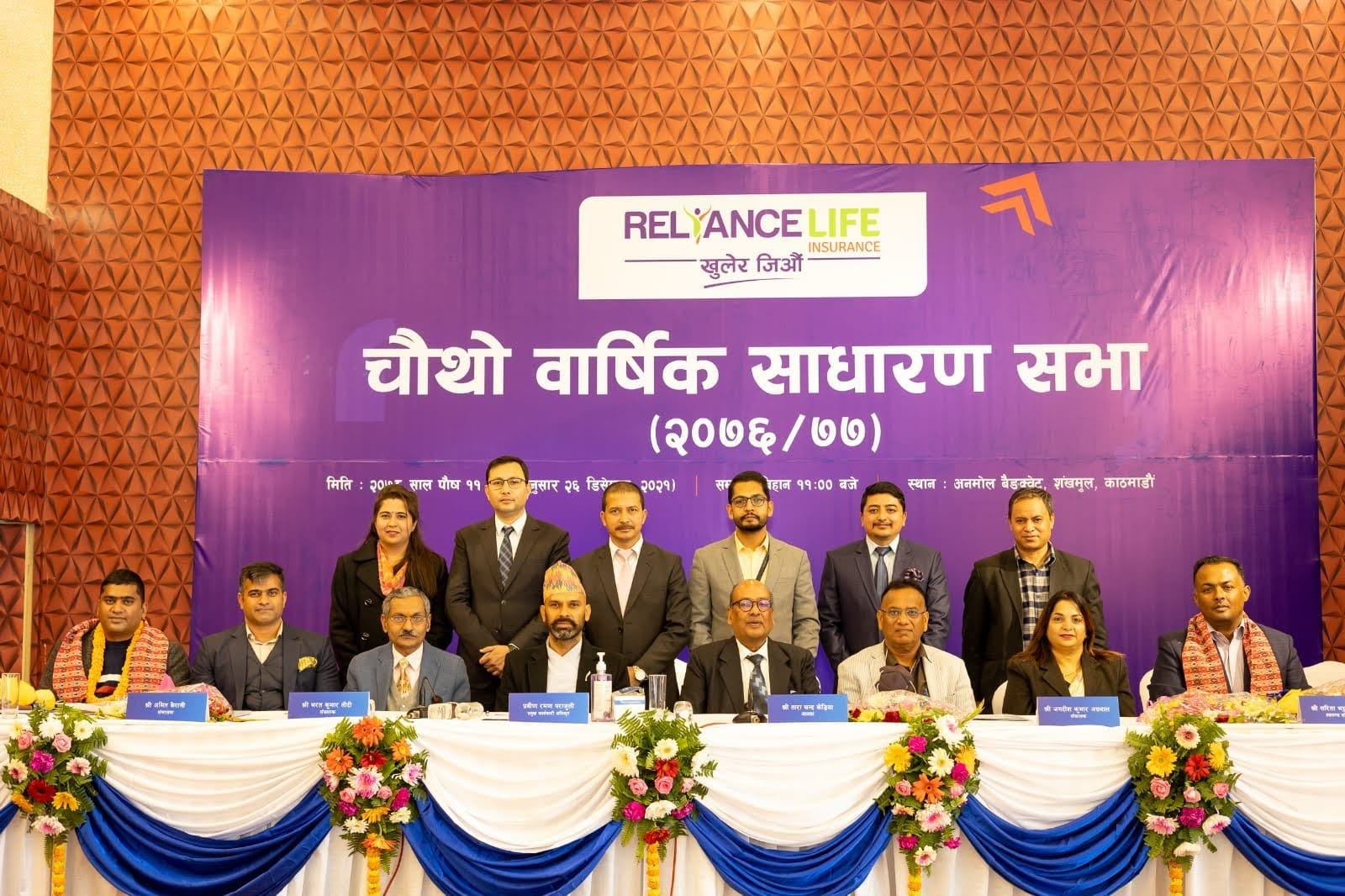
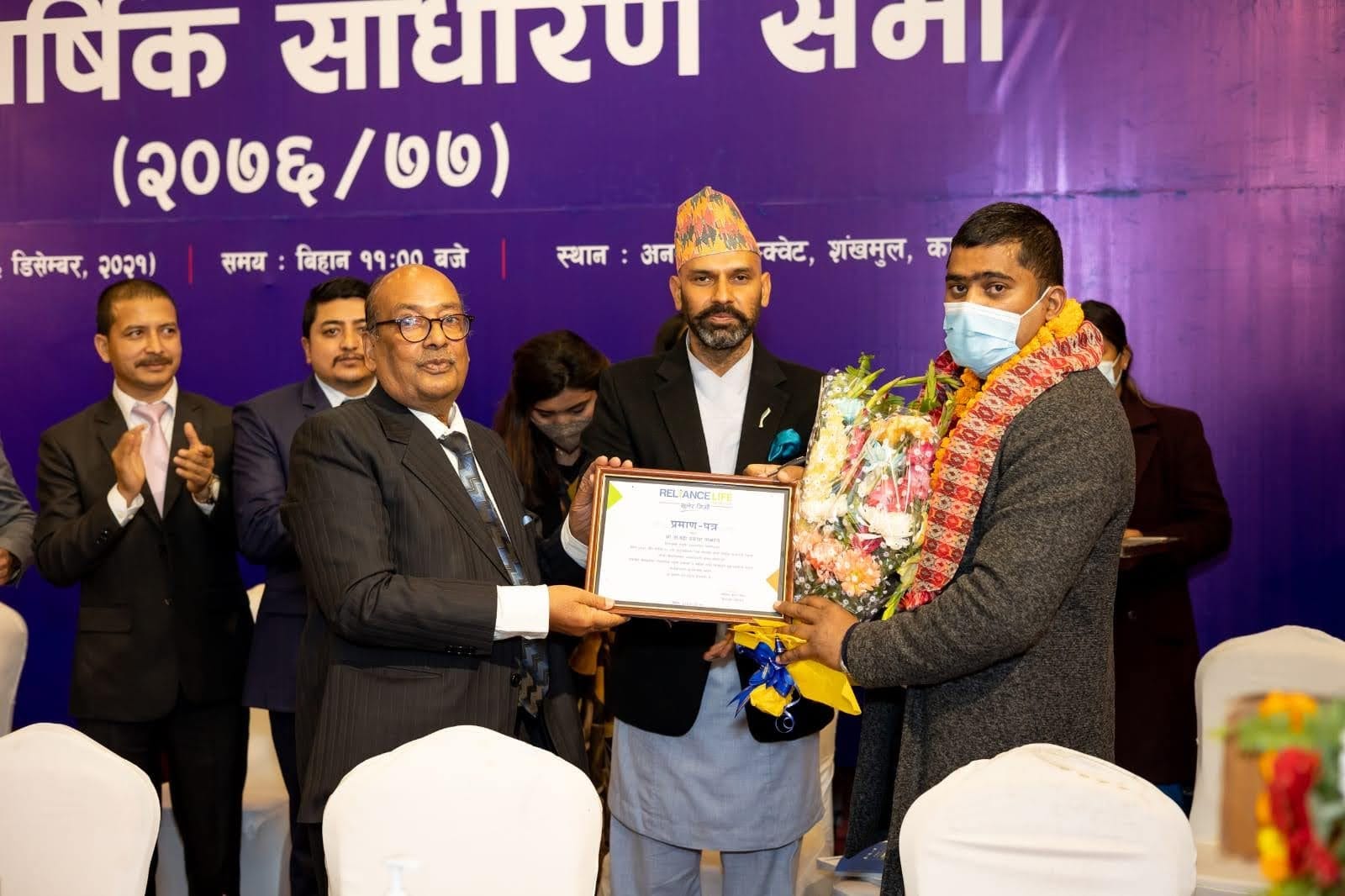
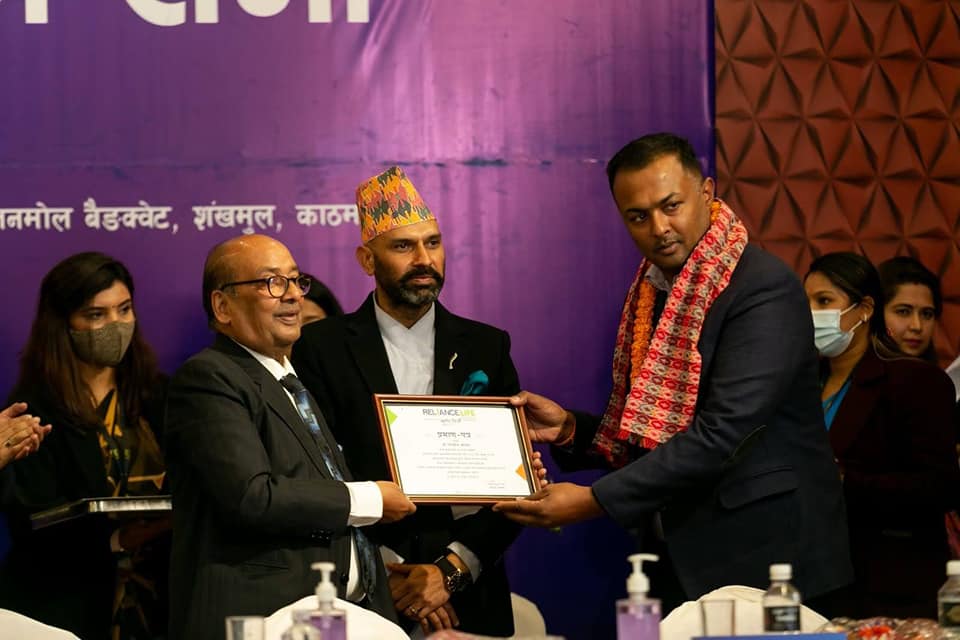
Chairman of Reliance Life Insurance Ltd. and former Chairman of Siddhartha Insurance Ltd. His leadership has contributed to financial inclusion, confidence in the insurance sector, development of investment culture, and growth of corporate governance practices in Nepal.
Chairman of Prudential Investments Pvt. Ltd., Prudential Developers Pvt. Ltd., and involved in Megana Corp. Securities & Shree Steel Industries. The group has investments in around 40+ companies across manufacturing, trading, finance, real estate, and services.
Established Ram Kumar Mahabir Prasad Kedia Eye Hospital and Mahabir Prasad Brijlal Kedia Dental Hospital in Birgunj. Provides free medical services through collaboration with Medicine in Remote Area (MIRA) and Pushpa Tara Kedia Sewa Foundation since 2018.
Running schools and colleges including D.A.V and Maharaja Agrasen Faculty of Management in Birgunj. Started Nepal's second girls' school - Sundarmal Ram Kumar. Focused on capacity building of today's youth through various educational initiatives.
Arranged land donation for Mahendra Park and Vipassana meditation center in Birgunj. Forged partnerships with local municipal authorities for construction projects, contributing to Nepal's urban development.
Large-scale production of cement, steel, and manufactured goods within Nepal reduces billions of rupees of imports annually, strengthening Nepal's internal industrial ecosystem and promoting economic self-reliance.
"From a humble beginning to a multi-million conglomerate, Kedia Organisation has been practicing a synergistic combination of family ownership and professional management, maintaining relevance across four generations."
— Kedia Organisation Legacy